

A useful first bracing consultation should leave you understanding the animal’s problem, the purpose of any proposed support, and the next steps. It may lead to a brace, further tests, a different treatment, or a decision to wait until the diagnosis is clearer.
The details vary between practices and species. The following guide explains the main conversations to prepare for, without assuming that every patient follows the same appointment schedule or fitting process.


Before the appointment, organize the story
Ask the clinic what records it needs and arrange for your regular veterinarian to share relevant examination notes, imaging, and previous treatment information. Cornell’s Sports Medicine and Rehabilitation service specifically asks for relevant records and imaging, and describes history-taking and an orthopedic examination as part of its assessment.
Prepare a short timeline in your own words:
- When did you first notice the change?
- Was there a particular incident or a gradual decline?
- Which ordinary activities have become difficult?
- What treatments or equipment have already been tried?
- What medications and supplements is the animal receiving?
If you already have videos showing the problem, ask whether they would be useful. Do not exercise an injured animal to create new footage unless your veterinarian says it is appropriate. Record what you have noticed naturally, including good and difficult days.
Check practical instructions directly with the clinic. Ask about transport, appointment length, handling needs, and whether sedation or additional testing might be discussed. Feeding and medication instructions should come from the treating team; do not alter either based on a general article.
Expect a discussion about everyday function
“Moving better” is a reasonable hope, but it helps to make the goal more concrete. You might want a retired horse to walk comfortably for routine care, or a dog to manage essential household movement. Explain what a satisfactory day would look like for your animal.
Be candid about your circumstances. Tell the team who provides daily care, what handling is realistic, and how easily you can attend rechecks. These details help shape a workable plan. NC State describes rehabilitation planning as an individualized process based on the patient’s needs and function, together with owner and clinician expectations.
Avoid setting a return-to-sport date before the clinician has explained the diagnosis and prognosis. Ask what milestones would need to be met before that goal becomes realistic.
The examination looks beyond a product choice
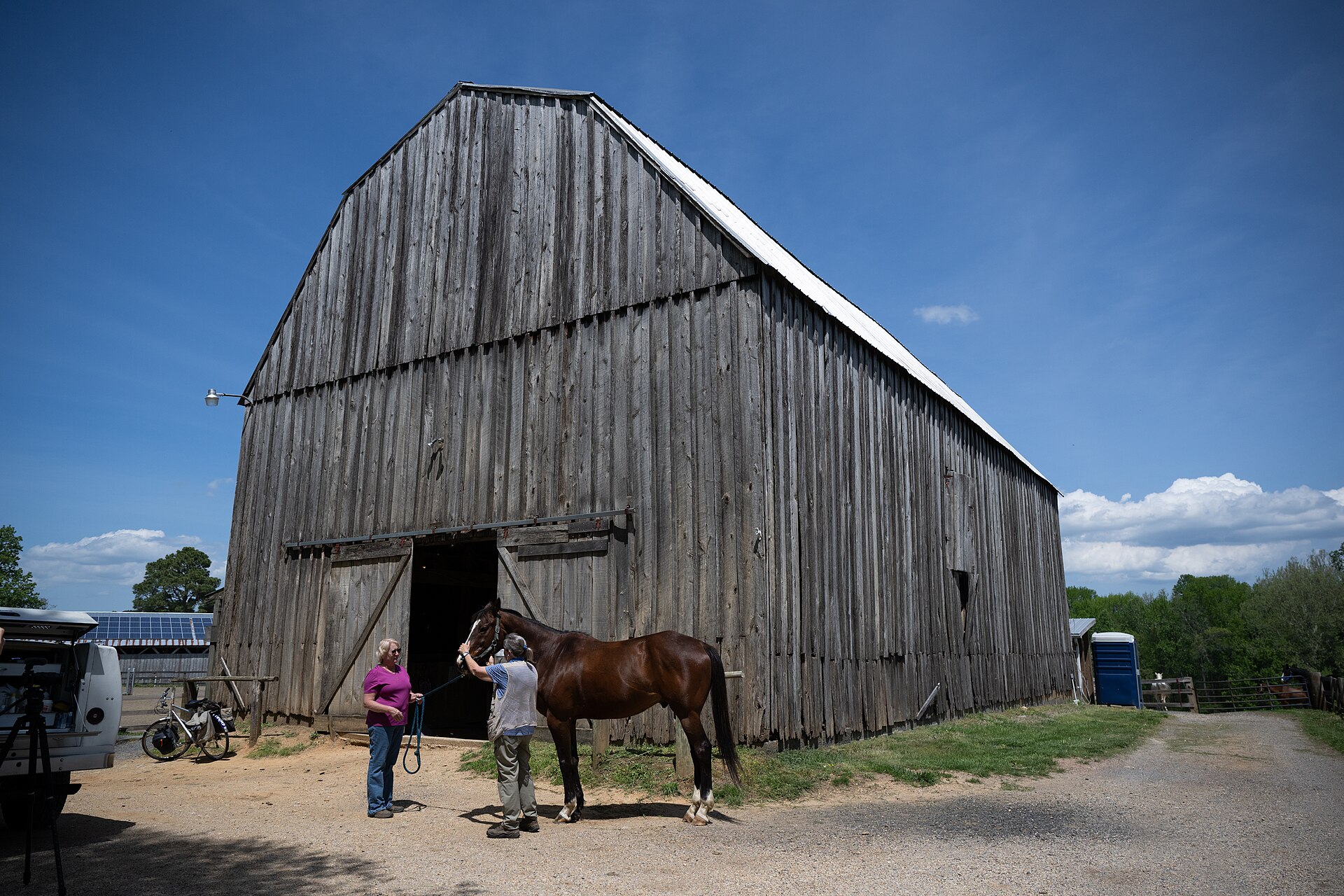
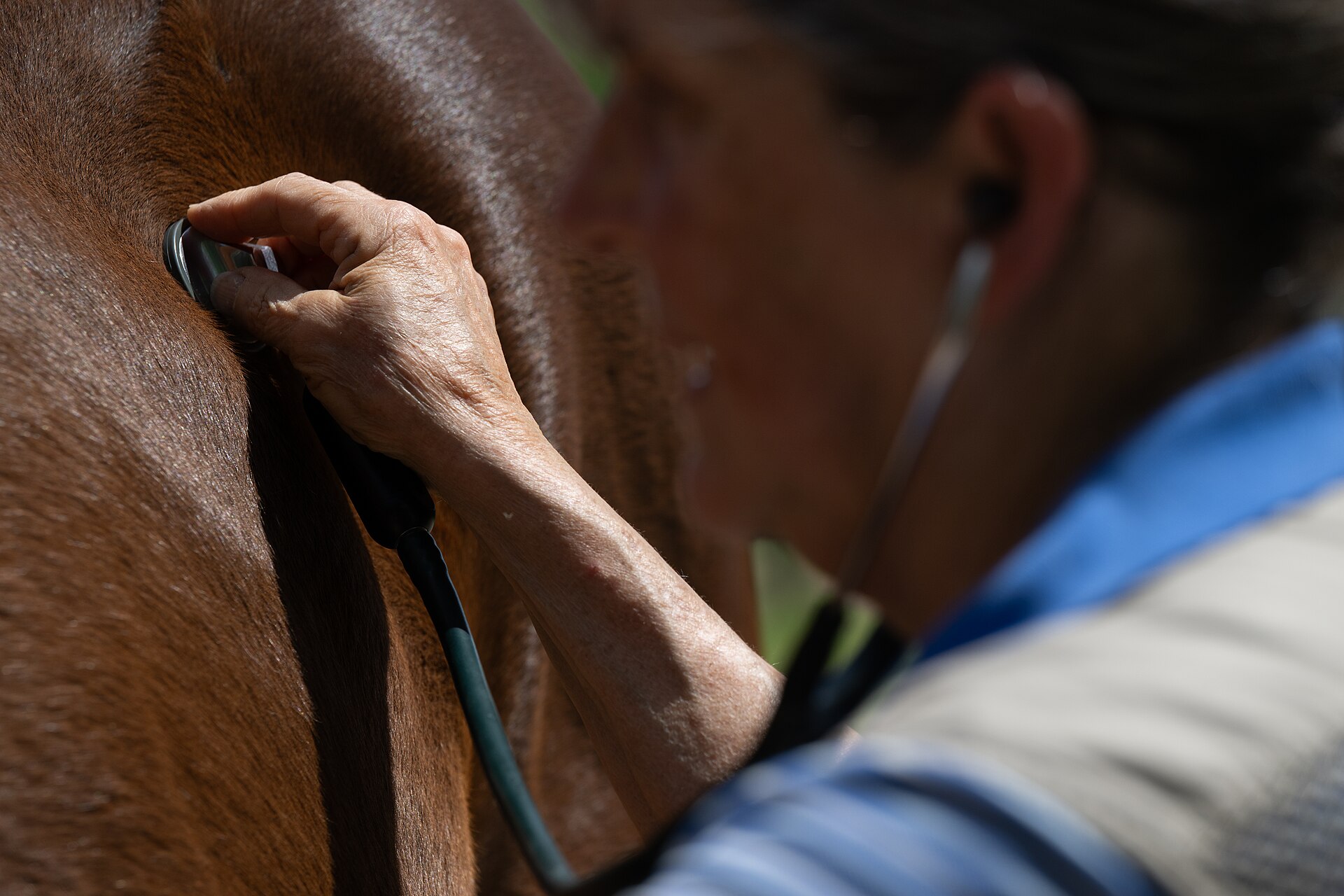
In an equine lameness work-up, the veterinarian may assess the horse standing and moving, then use diagnostic nerve or joint blocks to help locate pain when appropriate. Imaging is selected after considering the examination findings. The UC Davis lameness service explains how these stages fit together.
Different imaging methods answer different questions. For example, UC Davis’s large-animal ultrasound service describes ultrasound assessment of structures such as the superficial and deep digital flexor tendons and the suspensory ligament. A request for more imaging may therefore be about understanding the injured tissue before deciding how to support it.
For a dog or another companion animal, the assessment may include orthopedic and other examinations appropriate to the problem. Ask the clinician to explain which findings support bracing and which findings would favor another option.
If bracing is appropriate, fitting may involve several stages
A consultation and a finished-device fitting are not necessarily the same visit. Some devices require measurements or a model of the limb before they can be made.
A Virginia-Maryland College of Veterinary Medicine teaching report describes students creating removable cast impressions for custom canine knee braces. The report emphasizes the importance of alignment and fit. This is an example of a supervised fabrication process, not a reason to make an impression at home.
Ask which method your team uses, who takes the measurements or impression, and who checks the completed device on the animal. Clarify whether a first fitting, an adjustment visit, or additional fabrication time is included in the estimate. The answers depend on the device and provider, so a written explanation is more useful than assuming a standard package.
Leave with a plan you can follow
If a brace is prescribed, ask for instructions specific to your animal. A practical list of questions is:
- When should the device be worn, and who may put it on or remove it?
- What activity is permitted with and without it?
- What should I inspect, and how often?
- Which changes require a same-day call or emergency attention?
- How should the device be cleaned and stored?
- What should I do if it slips, becomes damaged, or cannot be used?
Have the team demonstrate any handling tasks you will be responsible for, then check your understanding with them. Ask permission to record that demonstration if a video would help other caregivers follow the same instructions.
Rehabilitation recommendations should also be individualized. Ohio State describes a patient-specific treatment plan, follow-up schedule, and tailored home exercises after evaluation. Request your animal’s plan rather than borrowing exercises from another patient’s recovery.
Know how the decision will be reviewed
Before leaving, identify who manages clinical concerns, who handles device repairs, and when the next assessment is due. Agree on what observations to bring back, such as changes in comfort during permitted activities or problems using the device.
A prospective canine study documented skin and mechanical complications during orthosis and prosthesis use. Its findings support discussing troubleshooting and reassessment from the outset rather than treating fitting as the end of care.
A successful first appointment does not require a purchase. It requires a reasoned recommendation, realistic expectations, and a clear plan for learning whether the chosen approach is helping.
Related educational video
Watch Equine Lameness Evaluation, from Kansas State University College of Veterinary Medicine, for a brief visual example of an examination that may come before a bracing decision. The university also lists it on its equine surgery video page. The 46-second clip is a short illustration, rather than a complete consultation walkthrough. Do not use it as a guide to testing an injured horse yourself.
Preparation guidance here is general. Follow your clinic’s instructions for transport, feeding, medication, examination, and any prescribed device.
Leave a Reply