Category: Uncategorized

  • Veterinary Orthopedic Bracing for Horses and Other Animals: What Owners Should Know

    Veterinarian examining a bay horse beside a wooden barn.
    A general veterinary examination at Obligation Farm in Maryland, photographed in April 2025. Contextual image; no orthopedic brace is shown. Christophe Paul / USDA / Wikimedia Commons, Public domain. Uncropped.

    When a horse or companion animal develops a mobility problem, a brace can look like a straightforward answer. The useful question is more specific: what does this animal need help doing, and can an external support safely contribute to that goal?

    Veterinary orthopedic bracing may be considered within a treatment plan for selected injuries or ongoing mobility limitations. Understanding its purpose, the evidence behind it, and the work involved at home helps owners have a more productive conversation with their veterinarian.
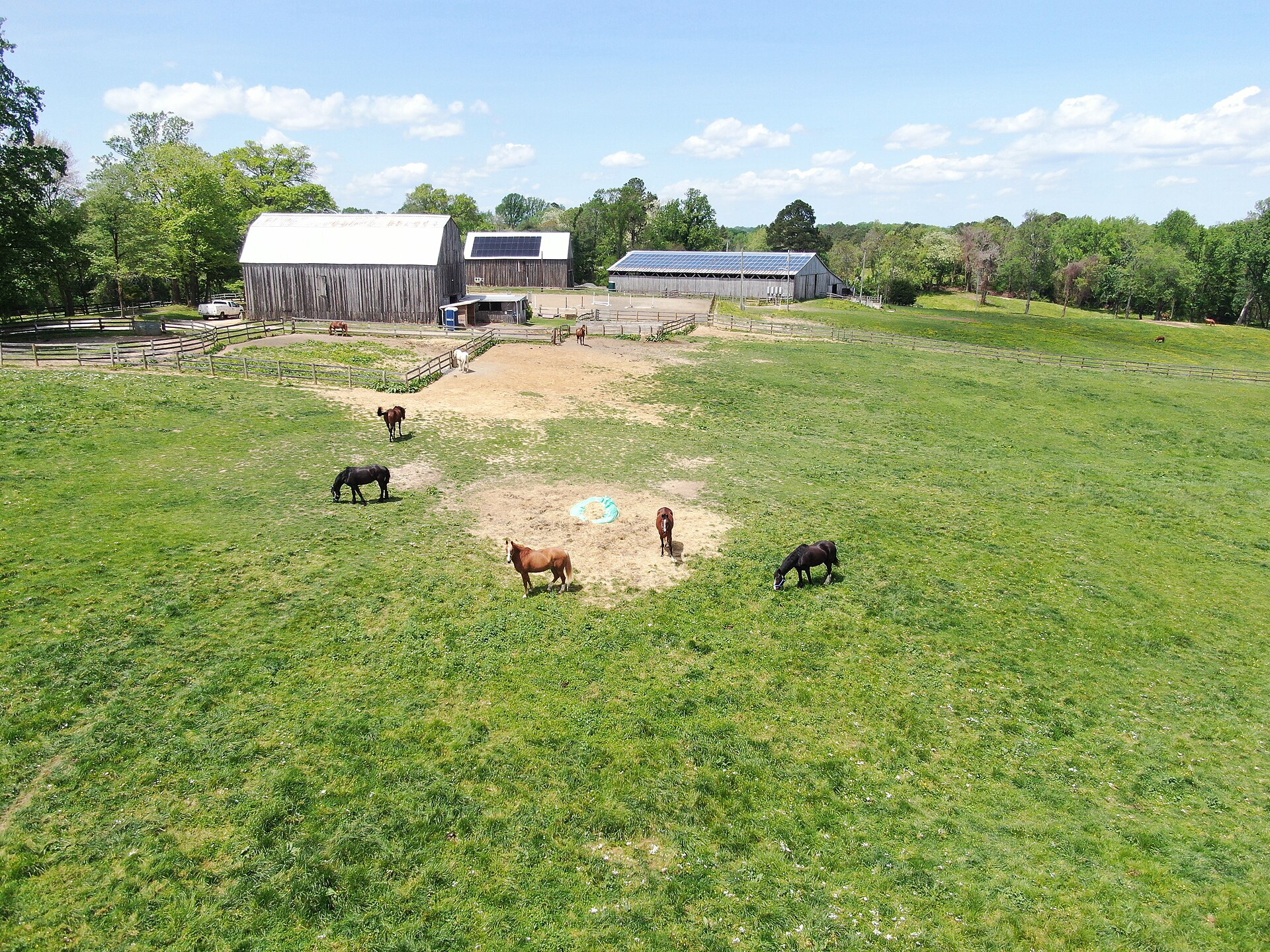
    Horses grazing in a green paddock beside farm buildings.
    Horses at Obligation Farm in Maryland. This contextual photograph does not depict a prescribed rehabilitation program. Christophe Paul / USDA / Wikimedia Commons, Public domain. Uncropped.

    What a veterinary brace does

    An orthosis is an external device that supports an existing body part. A prosthesis replaces a missing body part. These terms are sometimes used together, but they describe different devices and different clinical problems. Texas A&M’s veterinary rehabilitation service makes this distinction in its explanation of orthotic and prosthetic support.

    Depending on its design and the veterinarian’s goal, an orthosis may support a joint, restrict a particular movement, or protect a vulnerable limb during a planned stage of care. The intended result should be described in everyday terms: for example, supporting comfortable walking or limiting a movement that stresses an injured structure. Ask the clinician to explain exactly which movement the proposed device is intended to control.

    The diagnosis comes first

    A change in gait tells you that something needs attention; it does not identify the treatment. In horses, the investigation may include observation at rest and in motion, a physical examination, diagnostic local anesthesia, and imaging selected for the suspected problem. The UC Davis Equine Surgery and Lameness Service describes this stepwise approach to locating the source of lameness.

    That matters when considering a brace. Two animals that appear to limp similarly may have different injuries, different stability requirements, and different recovery plans. Before discussing materials or size, ask what diagnosis has been established and what uncertainty remains.

    What research tells us about horses

    Equine bracing has a developing evidence base. A 2025 study of a fetlock orthotic examined 12 healthy horses at walk and trot. The tested device reduced measured fetlock extension and range of motion under the study conditions.

    This is useful biomechanical evidence: the device changed how the joint moved. However, the horses were healthy, and the experiment was not a trial of long-term recovery in horses with tendon or ligament injuries. It cannot establish that every brace improves healing, prevents reinjury, or makes a horse ready to return to ridden work.

    When discussing a device, ask whether the supporting evidence concerns joint motion, comfort, function, or actual healing. Those are related questions, but a result in one category does not automatically answer the others.

    Dogs and other animals need their own assessment

    Dogs are represented in much of the published veterinary orthotics literature. Their experience is informative, but it should not be treated as a ready-made prescription for a horse or another species.

    Canine cranial cruciate ligament disease illustrates why treatment choices need context. The American College of Veterinary Surgeons describes surgery as typically the best treatment for controlling the associated knee instability. Nonsurgical management may include rehabilitation and, in selected cases, an orthosis; brace-related sores, intolerance, and continued pain remain concerns.

    For an animal other than a dog or horse, ask the treating veterinarian what species-specific experience and evidence inform the recommendation. A successful case involving a different species is encouraging, but it does not establish the right design or likely outcome for your animal.

    Fit and follow-up are part of treatment

    The device is only one part of the plan. In a prospective study of canine orthoses and prostheses, researchers identified three important problem categories: skin complications, mechanical problems, and animals not accepting the device. The study also lacked a control group, limiting conclusions about how much observed improvement came from the devices themselves.

    Ask who will check the fit, how concerns should be reported, and what happens if the device needs adjustment. Do not assume that rubbing or a reluctance to move is something the animal must simply get used to. Request clear instructions about warning signs and whom to contact before extending wear time or making a change.

    Consider the daily routine as well as the device

    A 2021 survey of 56 owners of dogs using orthoses found that owners’ perceptions of their dogs’ quality of life were linked with their own experience. This was an owner survey, not a controlled test of healing, but it highlights an important part of decision-making: the plan must be workable for the caregiver.

    Before committing, discuss who will manage the device, whether the animal can be handled comfortably, how follow-up visits fit into your schedule, and the likely costs beyond fabrication. Ask about fitting appointments, adjustments, repairs, and reassessments rather than comparing purchase prices alone.

    Agree on what success will look like

    Useful questions include:

    • What specific problem is the brace intended to address?
    • What alternatives should we consider, including surgery where appropriate?
    • How will we measure comfort and function over time?
    • What would tell us to revise or stop this approach?
    • Who decides when activity or device use can change?

    The best starting point is a defined goal, a realistic understanding of the evidence, and a veterinary team able to reassess the animal’s response.

    Sudden severe lameness, an abnormally positioned limb, or a suspected fracture requires prompt veterinary attention. For horses, ACVS advises contacting a veterinarian immediately and obtaining guidance before movement or stabilization. Do not wait for a routine bracing appointment.

    Related educational video

    Watch Bracing for cranial cruciate ligament injury, from dvm360, an original interview with rehabilitation clinician Carrie Adrian. This canine, condition-specific discussion offers an example of the decisions involved; it does not establish benefits for horses or replace an individual veterinary assessment.

    This article is general education. A veterinarian who has examined your animal should determine whether bracing is appropriate and provide its fitting, activity, and monitoring instructions.
  • Your First Veterinary Bracing Consultation: What to Expect

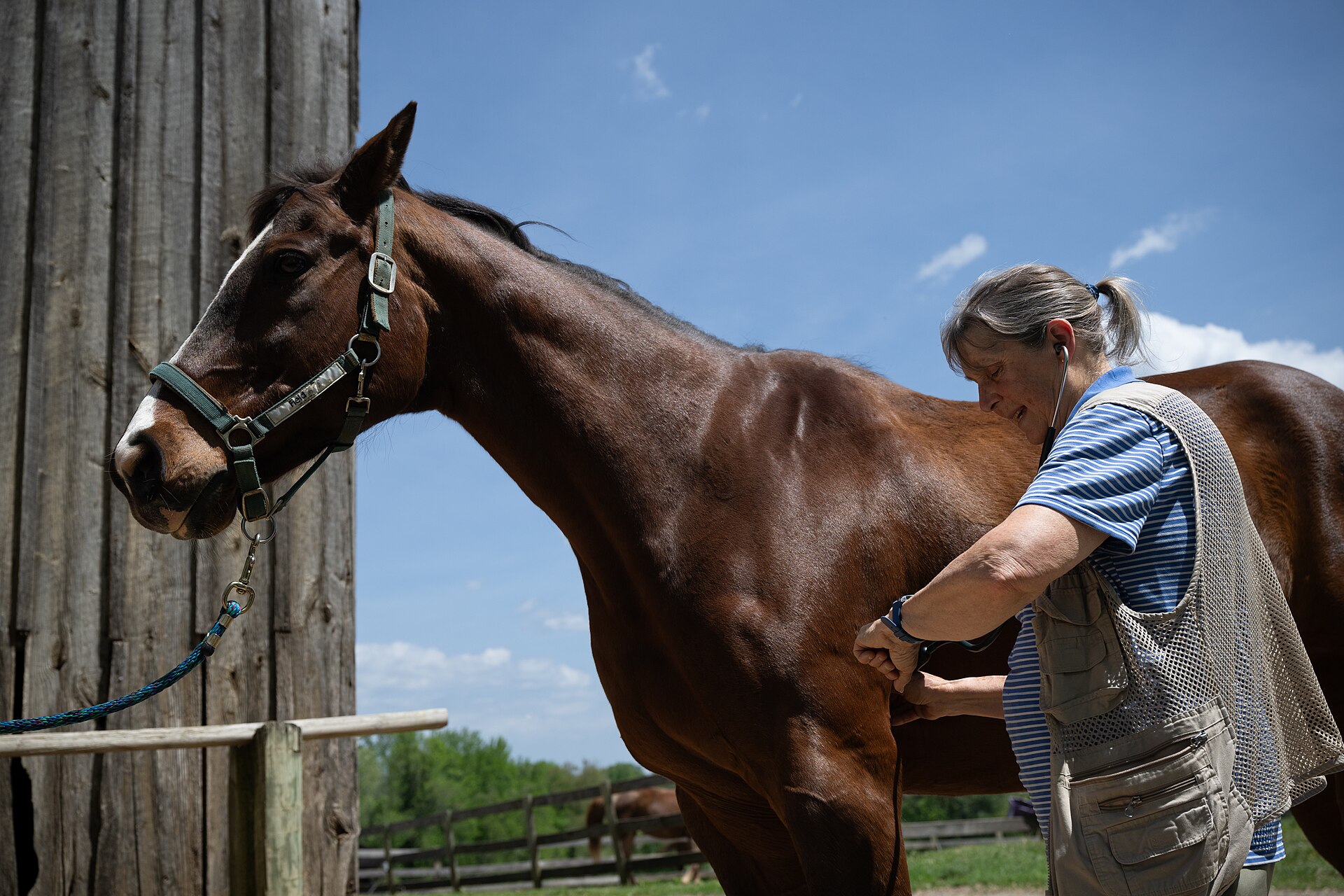
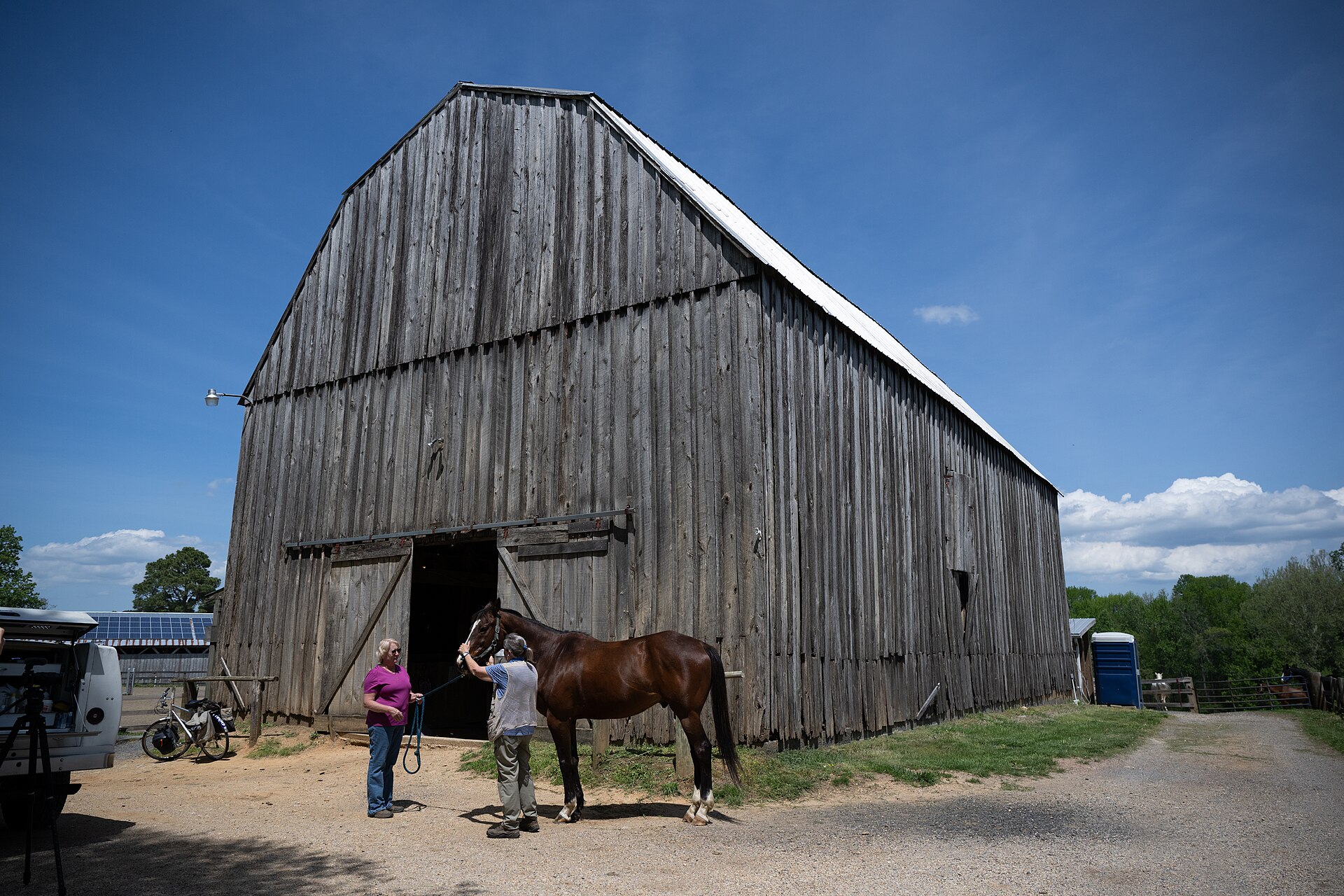
    A veterinarian and a bay horse stand outside a large wooden barn.
    An outdoor veterinary visit at Obligation Farm, Maryland, in April 2025. Christophe Paul / USDA / Wikimedia Commons, Public domain. Uncropped.

    A useful first bracing consultation should leave you understanding the animal’s problem, the purpose of any proposed support, and the next steps. It may lead to a brace, further tests, a different treatment, or a decision to wait until the diagnosis is clearer.

    The details vary between practices and species. The following guide explains the main conversations to prepare for, without assuming that every patient follows the same appointment schedule or fitting process.

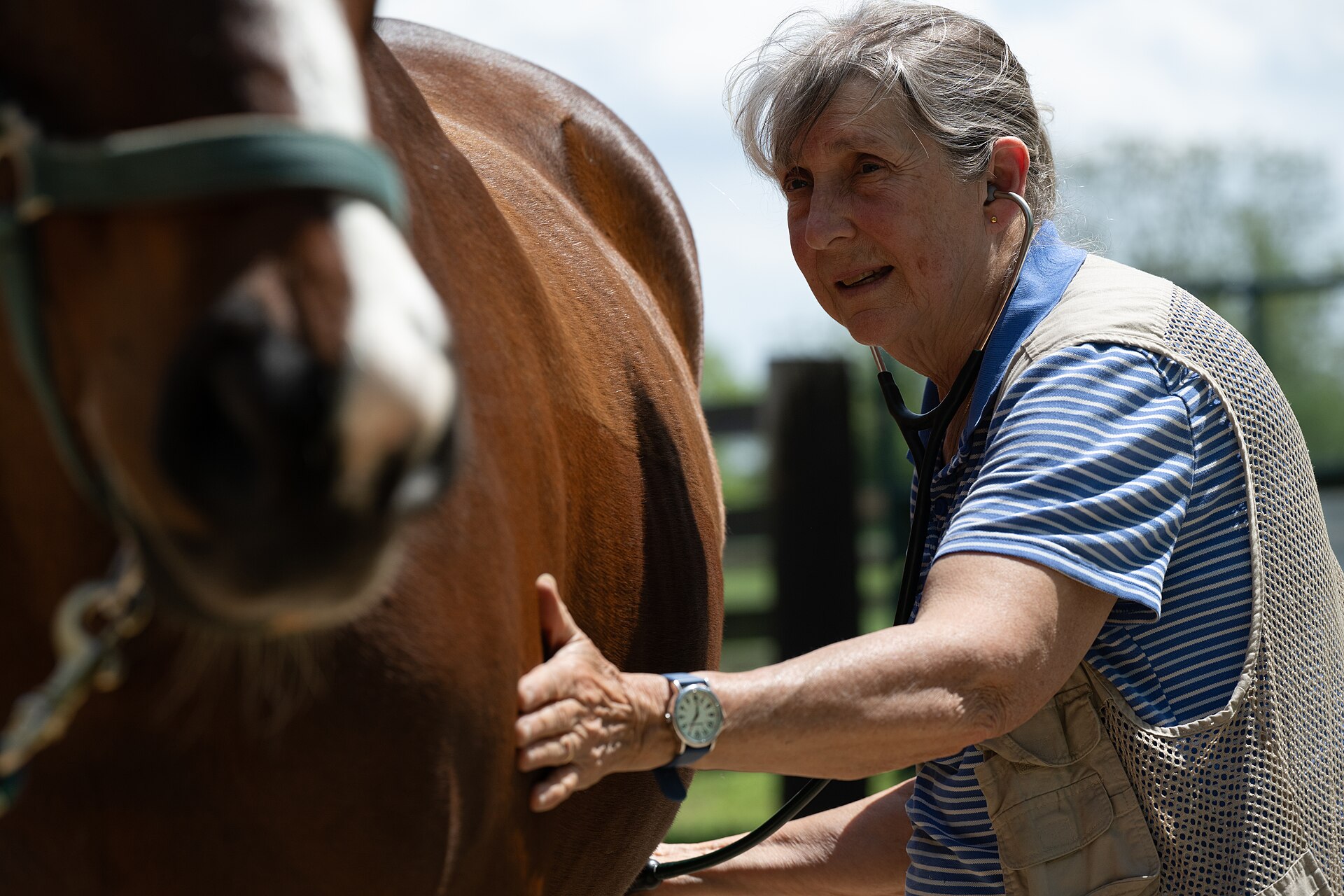
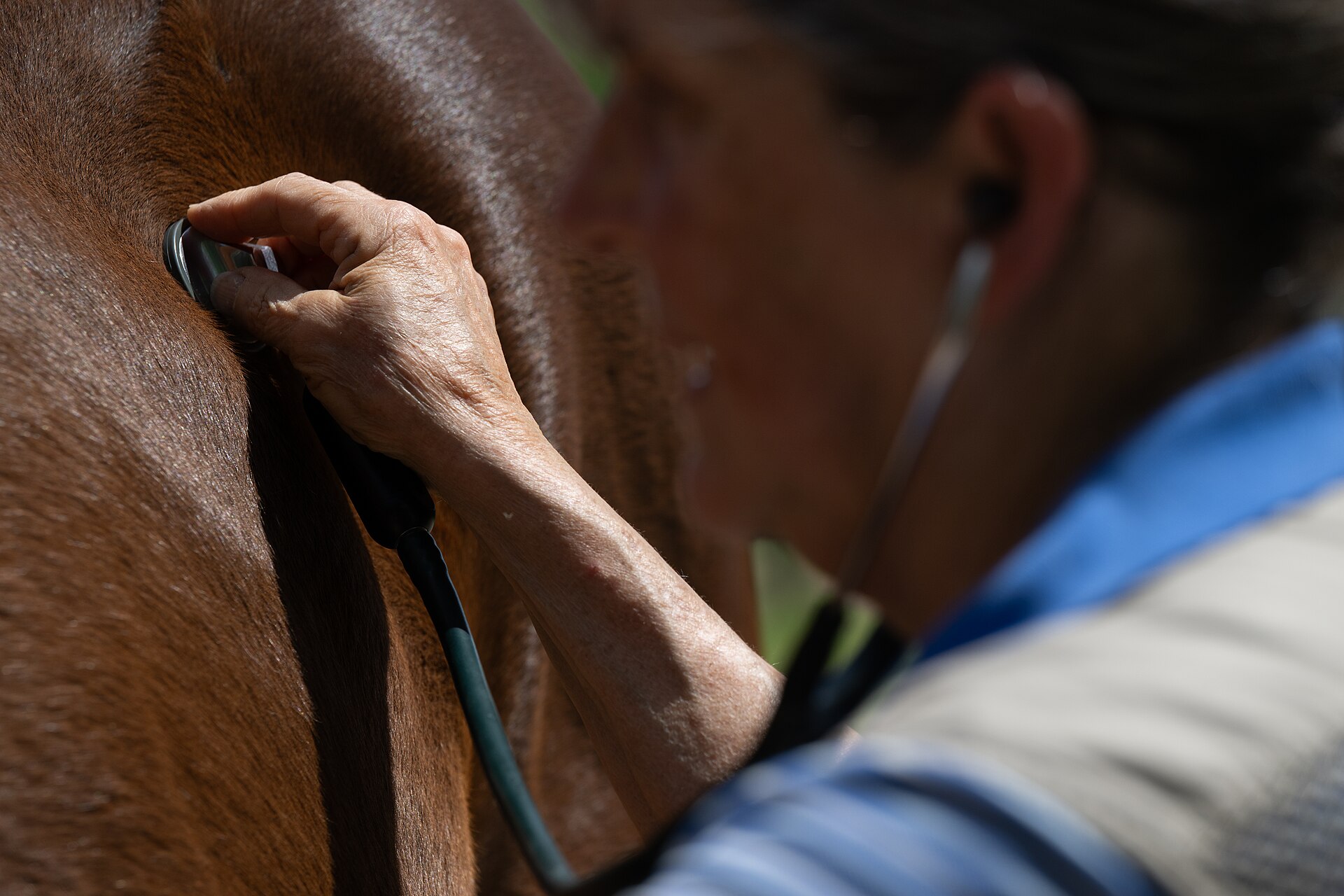
    Close view of a veterinarian using a stethoscope on a horse.
    A stethoscope examination illustrates the broader clinical assessment that can accompany an equine consultation. Christophe Paul / USDA / Wikimedia Commons, Public domain. Uncropped.

    Before the appointment, organize the story

    Ask the clinic what records it needs and arrange for your regular veterinarian to share relevant examination notes, imaging, and previous treatment information. Cornell’s Sports Medicine and Rehabilitation service specifically asks for relevant records and imaging, and describes history-taking and an orthopedic examination as part of its assessment.

    Prepare a short timeline in your own words:

    • When did you first notice the change?
    • Was there a particular incident or a gradual decline?
    • Which ordinary activities have become difficult?
    • What treatments or equipment have already been tried?
    • What medications and supplements is the animal receiving?

    If you already have videos showing the problem, ask whether they would be useful. Do not exercise an injured animal to create new footage unless your veterinarian says it is appropriate. Record what you have noticed naturally, including good and difficult days.

    Check practical instructions directly with the clinic. Ask about transport, appointment length, handling needs, and whether sedation or additional testing might be discussed. Feeding and medication instructions should come from the treating team; do not alter either based on a general article.

    Expect a discussion about everyday function

    “Moving better” is a reasonable hope, but it helps to make the goal more concrete. You might want a retired horse to walk comfortably for routine care, or a dog to manage essential household movement. Explain what a satisfactory day would look like for your animal.

    Be candid about your circumstances. Tell the team who provides daily care, what handling is realistic, and how easily you can attend rechecks. These details help shape a workable plan. NC State describes rehabilitation planning as an individualized process based on the patient’s needs and function, together with owner and clinician expectations.

    Avoid setting a return-to-sport date before the clinician has explained the diagnosis and prognosis. Ask what milestones would need to be met before that goal becomes realistic.

    The examination looks beyond a product choice

    In an equine lameness work-up, the veterinarian may assess the horse standing and moving, then use diagnostic nerve or joint blocks to help locate pain when appropriate. Imaging is selected after considering the examination findings. The UC Davis lameness service explains how these stages fit together.

    Different imaging methods answer different questions. For example, UC Davis’s large-animal ultrasound service describes ultrasound assessment of structures such as the superficial and deep digital flexor tendons and the suspensory ligament. A request for more imaging may therefore be about understanding the injured tissue before deciding how to support it.

    For a dog or another companion animal, the assessment may include orthopedic and other examinations appropriate to the problem. Ask the clinician to explain which findings support bracing and which findings would favor another option.

    If bracing is appropriate, fitting may involve several stages

    A consultation and a finished-device fitting are not necessarily the same visit. Some devices require measurements or a model of the limb before they can be made.

    A Virginia-Maryland College of Veterinary Medicine teaching report describes students creating removable cast impressions for custom canine knee braces. The report emphasizes the importance of alignment and fit. This is an example of a supervised fabrication process, not a reason to make an impression at home.

    Ask which method your team uses, who takes the measurements or impression, and who checks the completed device on the animal. Clarify whether a first fitting, an adjustment visit, or additional fabrication time is included in the estimate. The answers depend on the device and provider, so a written explanation is more useful than assuming a standard package.

    Leave with a plan you can follow

    If a brace is prescribed, ask for instructions specific to your animal. A practical list of questions is:

    • When should the device be worn, and who may put it on or remove it?
    • What activity is permitted with and without it?
    • What should I inspect, and how often?
    • Which changes require a same-day call or emergency attention?
    • How should the device be cleaned and stored?
    • What should I do if it slips, becomes damaged, or cannot be used?

    Have the team demonstrate any handling tasks you will be responsible for, then check your understanding with them. Ask permission to record that demonstration if a video would help other caregivers follow the same instructions.

    Rehabilitation recommendations should also be individualized. Ohio State describes a patient-specific treatment plan, follow-up schedule, and tailored home exercises after evaluation. Request your animal’s plan rather than borrowing exercises from another patient’s recovery.

    Know how the decision will be reviewed

    Before leaving, identify who manages clinical concerns, who handles device repairs, and when the next assessment is due. Agree on what observations to bring back, such as changes in comfort during permitted activities or problems using the device.

    A prospective canine study documented skin and mechanical complications during orthosis and prosthesis use. Its findings support discussing troubleshooting and reassessment from the outset rather than treating fitting as the end of care.

    A successful first appointment does not require a purchase. It requires a reasoned recommendation, realistic expectations, and a clear plan for learning whether the chosen approach is helping.

    Related educational video

    Watch Equine Lameness Evaluation, from Kansas State University College of Veterinary Medicine, for a brief visual example of an examination that may come before a bracing decision. The university also lists it on its equine surgery video page. The 46-second clip is a short illustration, rather than a complete consultation walkthrough. Do not use it as a guide to testing an injured horse yourself.

    Preparation guidance here is general. Follow your clinic’s instructions for transport, feeding, medication, examination, and any prescribed device.

  • Comparing Veterinary Braces, Splints, and Custom Orthoses

    Veterinarian standing beside a horse during a hands-on examination.
    A veterinary examination, not a product demonstration. The photograph does not show a brace, splint, or orthosis. Christophe Paul / USDA / Wikimedia Commons, Public domain. Uncropped.

    Owners looking for limb support soon encounter several names: braces, splints, casts, orthoses, and custom devices. The terminology can make the decision sound like a choice between competing products. In practice, these categories overlap, and the useful comparison starts with what the animal’s limb needs.

    A device might be intended for temporary stabilization, protection during healing, or support during a planned activity. Understanding these purposes helps you ask better questions without trying to choose treatment from a photograph or product description.

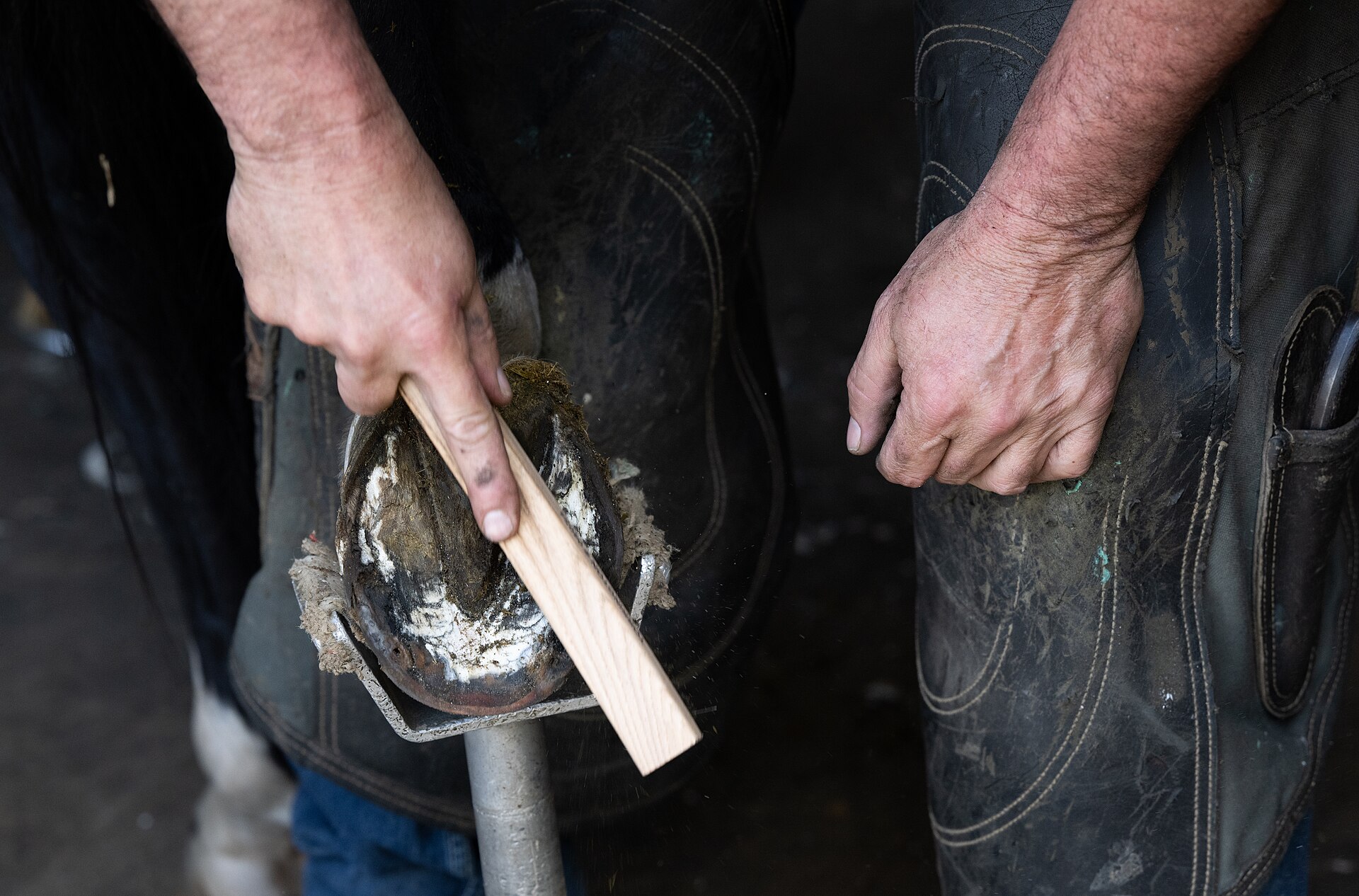
    Farrier holding and cleaning the underside of a horse hoof.
    Farrier hoof care at Obligation Farm. Hoof care and orthopedic support selection are distinct parts of an individualized care plan. Christophe Paul / USDA / Wikimedia Commons, Public domain. Uncropped.

    Start with the vocabulary

    An orthosis is a device that supports an existing body part. “Brace” is a commonly used name for an orthosis. “Custom” describes how a device is made for an individual patient; it does not identify a separate disease or treatment goal. A custom brace is therefore one type of orthosis.

    A prosthesis has a different role: replacing a missing body part. Texas A&M’s rehabilitation service distinguishes supportive orthotic devices from prosthetic replacements. If both words appear in a provider’s materials, make sure the discussion concerns the device your animal actually needs.

    Terminology alone does not explain the amount or direction of movement a device permits. Ask the clinician to describe those features rather than relying on the label.

    Splints and casts provide external stabilization

    A splint generally uses a rigid supporting component alongside the limb, secured within a bandaging system. A cast usually forms a more encompassing rigid shell. Both can be forms of external coaptation, meaning support applied around the limb to help control movement.

    For selected fractures in dogs and cats, splints or casts may form part of definitive treatment; in other circumstances they provide temporary stabilization. Their suitability depends on the fracture and the forces acting on it. The American College of Veterinary Surgeons’ fracture guidance explains that external support and surgically applied fixation offer different forms of stability.

    The apparent simplicity of a cast does not make it suitable for every fracture. A peer-reviewed clinical article by veterinary surgeons Ross Palmer and Clara Goh emphasizes case selection, correct application, and monitoring. The location and pattern of the break, soft-tissue condition, and the patient’s circumstances all influence that decision.

    Equine emergency splinting has a specific purpose

    For a horse with a suspected fracture, the priority is prompt veterinary assessment and safe stabilization. The required support depends on where the injury is located; an incorrectly placed splint can worsen damage. ACVS advises owners to consult a veterinarian before attempting treatment or stabilization and avoid moving the horse until the limb is appropriately stabilized.

    This emergency situation should not be approached as a shopping decision about a reusable brace. A photograph of another horse wearing a device cannot tell you whether that design is appropriate for the current injury. Contact the veterinarian for immediate instructions and let the clinical findings determine the next step.

    Braces differ in how they control movement

    A brace can be flexible, semirigid, or rigid. Some designs include hinges, while others aim to hold a region more consistently. A hinge is meaningful only when its placement and permitted movement match the intended function. VCA’s veterinarian-authored explanation of canine braces describes how poor fit or a misaligned hinge can create problems.

    These design choices are clinical decisions. A more rigid-looking device is not automatically the right support for every animal, and additional movement is not automatically desirable during every stage of care.

    Ask which joint or region the device addresses, which movements it limits, and whether its function is expected to change as treatment progresses. Any adjustments to permitted motion should follow the treating team’s instructions.

    Custom fit addresses the individual animal

    A prefabricated device is made in an existing design or size range. A custom device is fabricated for a particular patient, potentially using an impression or other measurements. The relevant question is whether the proposed option can achieve the required fit and function for this animal.

    Davies Veterinary Specialists explains that device selection considers the diagnosis and prognosis as well as skin condition, bony prominences, pain, and circulation. Those factors help explain why a size chart alone cannot settle the decision.

    “Custom” also does not mean follow-up becomes unnecessary. In a veterinary college report on canine brace fabrication, clinicians stress the importance of a correctly aligned impression and fit to reduce problems such as contact sores and device rejection. Ask how the finished device will be assessed on the animal and what adjustment support is available.

    Compare evidence for the actual device and purpose

    Equine support boots and therapeutic orthoses should not be assumed to have interchangeable effects. A study of four boot types in 26 horses measured relatively small changes in fetlock extension at walk or trot and noted uncertainty about long-term consequences. The findings concerned those boots under those test conditions.

    This is a useful reminder to ask precise questions: Was the proposed device studied? In healthy or injured animals? Was the outcome joint movement, comfort, healing, or return to function? Product terminology cannot answer those questions, and evidence for one design should not be presented as proof for every external support.

    Compare the whole care plan

    When reviewing options with the veterinary team, ask about:

    • The diagnosis and the exact support required
    • Whether the device is temporary, longer-term, or part of staged treatment
    • The fitting process and who may apply, remove, or adjust it
    • Monitoring, cleaning, activity restrictions, and scheduled rechecks
    • Total expected costs, including changes, repairs, and reassessment

    ACVS cautions that splint or cast treatment is not necessarily the easiest or least expensive approach, because changes, follow-up, and complications can affect the overall course.

    The best comparison is therefore between complete treatment plans for a diagnosed problem. Ask your veterinarian to connect each proposed device to a clear purpose and an agreed way of checking whether it is helping.

    Related educational video

    Watch Supports, splints and orthotics, from Davies Veterinary Specialists, a short introduction from the specialist hospital. Its small-animal examples illustrate the subject; they do not establish which support a particular horse or pet should receive.

    This comparison is educational and does not provide fitting or treatment instructions. Have your veterinarian select the appropriate support and supervise its use.